
Each year, the monsoon transforms Ahmedabad, easing the intense summer heat and settling the dust that builds through the dry months. Alongside this change, however, comes a well-documented rise in seasonal illness. As the rains arrive and humidity climbs, hospitals and clinics across the city record a steady increase in…
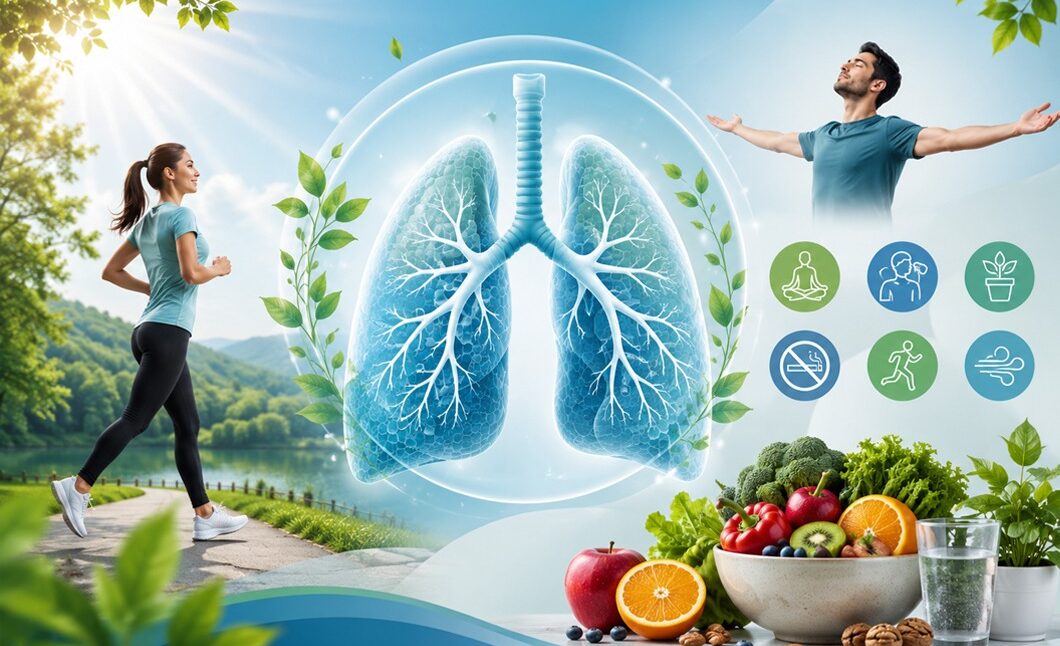
Introduction Smoking damages the lungs gradually, often without obvious symptoms in the early stages. Many smokers ignore mild coughing, breathlessness, or fatigue until serious conditions like COPD or lung cancer develop. Tobacco smoke contains thousands of harmful chemicals that silently weaken the respiratory system and reduce oxygen supply throughout the…
Whether you have recently quit smoking or are actively in the process of cutting back, supporting your body’s recovery from the toxic effects of cigarette smoke is essential for rebuilding your health. The good news is that with the right strategies, your body has a remarkable capacity to heal itself…
Smoking remains one of the leading preventable causes of death and disease worldwide, and its impact is particularly significant in India, where millions of people smoke cigarettes and bidis daily. Understanding the real and measurable damage that cigarettes cause to your heart and lungs is not meant to frighten you,…
The liver is one of the most vital organs in the human body, silently performing over 500 essential functions including detoxification, protein synthesis, bile production, and hormone regulation. Yet liver disease is often called a silent killer because noticeable symptoms may not appear until significant, sometimes irreversible, damage has already…
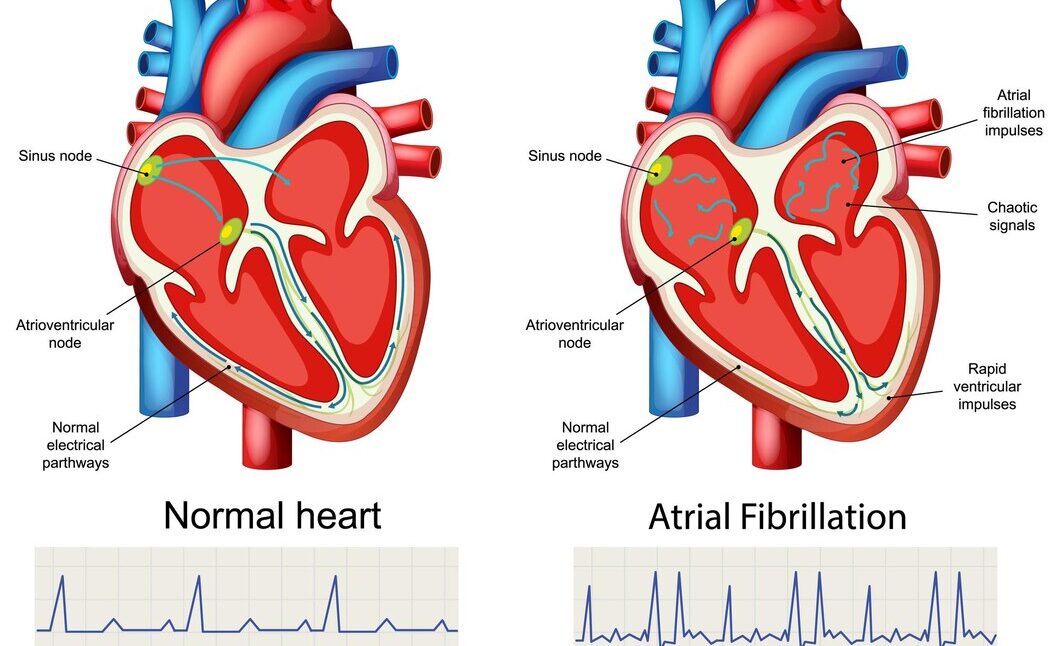
Atrial fibrillation is a common type of heart rhythm disorder. In this condition, the upper chambers of your heart beat irregularly and sometimes very quickly. Instead of a steady rhythm, your heart might beat chaotically or unevenly. This can make it challenging for your heart to pump blood effectively to…
Cardiac arrhythmias are conditions in which the heart beats irregularly. The heart might be too fast, too slow, or in an uneven pattern. Normally, the heart has a steady rhythm controlled by electrical signals that coordinate each heartbeat. When these signals fail, your heart rhythm can become abnormal. Some arrhythmias…
Heart failure is a long-term condition in which your heart cannot pump blood as effectively as it should. This does not mean your heart has stopped working; rather, it means it is weaker and unable to supply enough oxygen-rich blood to meet your body's needs. When your heart's pumping ability…
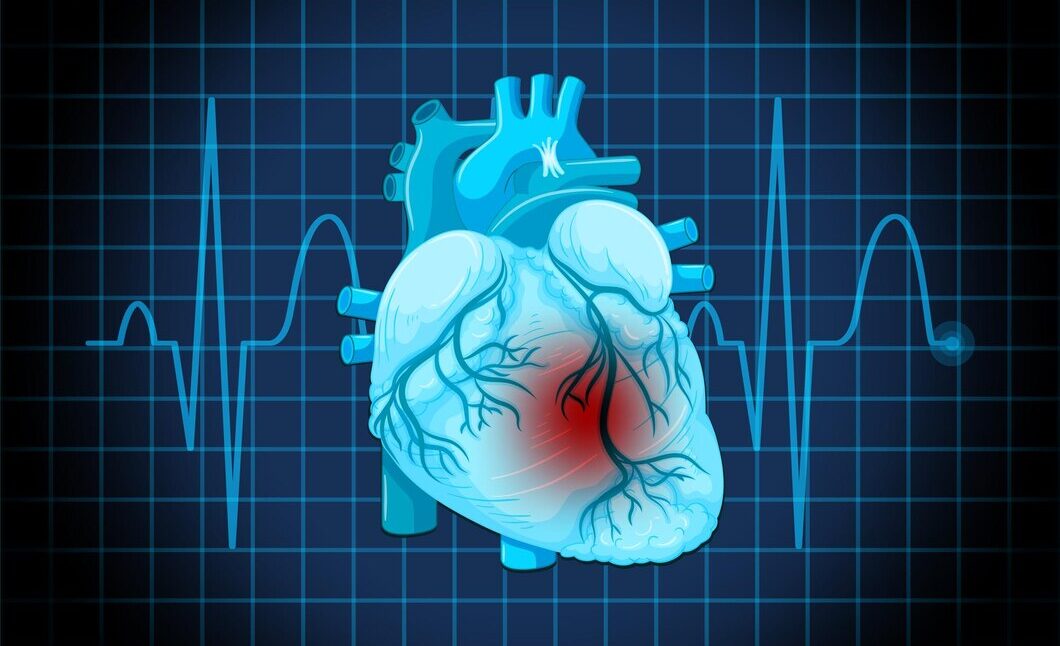
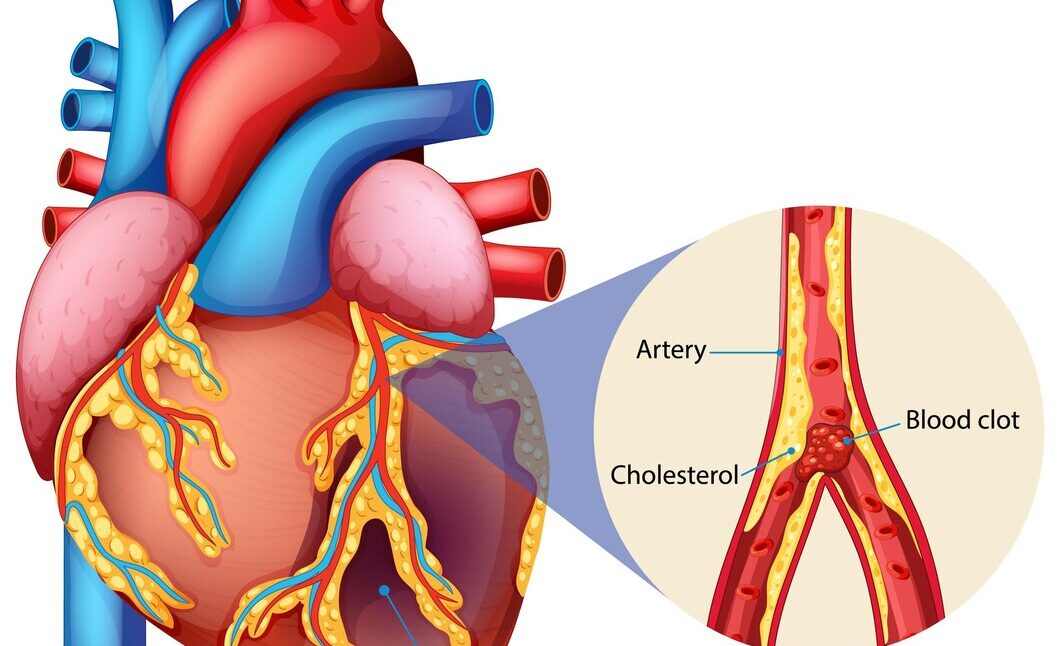
A heart attack is also known as a myocardial infarction. It happens when the blood flow to a part of your heart muscle is suddenly blocked. Your heart needs a constant supply of oxygen-rich blood to function properly. When there’s blood flow is reduced or stopped the heart muscle can…
Hypertension, also known as high blood pressure, is a common condition in which the force of blood pushing against the walls of your arteries is constantly very high. Your arteries carry blood from the heart to the rest of your body, and when the pressure is too high, it can…