

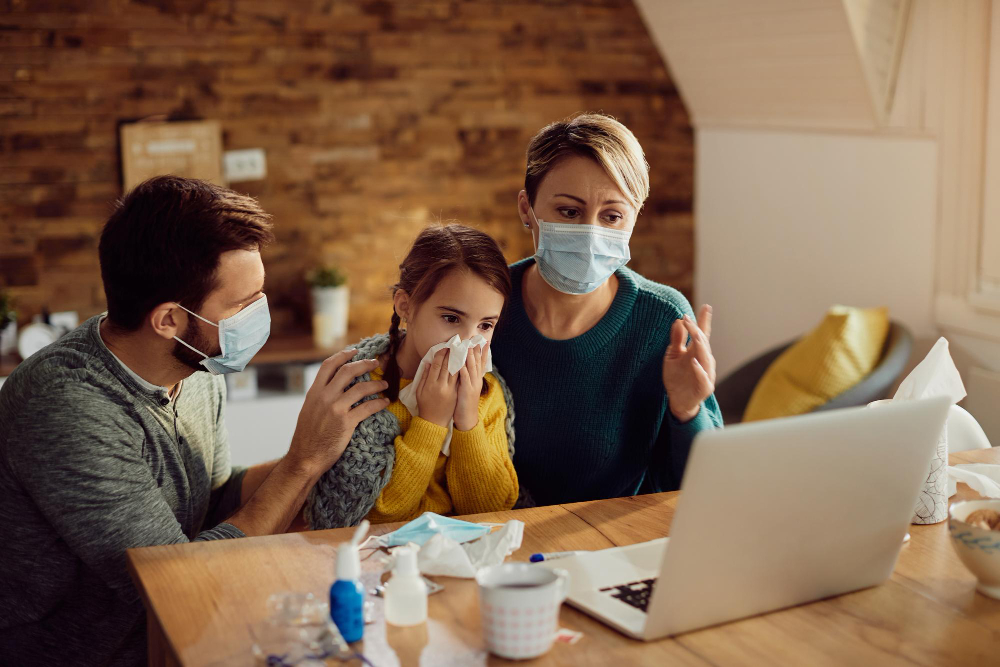
Each year, the monsoon transforms Ahmedabad, easing the intense summer heat and settling the dust that builds through the dry months. Alongside this change, however, comes a well-documented rise in seasonal illness. As the rains arrive and humidity climbs, hospitals and clinics across the city record a steady increase in people reporting fever, digestive complaints, and infections that spread readily in warm, damp conditions, with cases often peaking in the weeks after the monsoon.
The reassuring reality is that most monsoon diseases in Ahmedabad are both preventable and treatable when identified early. This guide explains the illnesses that become more common during the rainy season, the symptoms worth watching for, and the practical steps that help protect you and your family throughout the season.
Why the Monsoon Increases the Risk of Illness
Several conditions combine during the rainy season to make infections more likely. Stagnant water is the most significant factor. Clogged drains, potholes, and even a small amount of water collected on a terrace can serve as breeding sites for mosquitoes, which require only a few days to multiply.
Water quality is a further concern. During and after heavy rainfall, drinking-water supplies can become contaminated, which is why waterborne diseases in the rainy season are especially common in densely populated areas. Local health authorities regularly report water samples that are unfit for consumption during this period. High humidity also allows bacteria and viruses to survive longer on surfaces and in the air, and crowded public spaces make it easier for infections to pass from one person to another.
In general, the monsoon illnesses seen across the city fall into three categories: mosquito-borne infections, waterborne infections, and airborne viral illnesses. Recognising these categories can help you respond appropriately at the first sign of a fever in monsoon season, rather than assuming every illness is the same.
Mosquito-Borne Diseases
Dengue
Dengue is transmitted by the Aedes mosquito, which bites during daylight hours and breeds in clean, stagnant water. It typically presents with a sudden high fever, a severe headache often felt behind the eyes, and pronounced muscle and joint pain, symptoms that have given it the name “breakbone fever.” A skin rash, nausea, and marked fatigue are also common. Most patients recover with rest, adequate fluids, and monitoring. In a small proportion of cases, however, dengue can become severe, affecting blood platelet levels and leading to internal bleeding. For this reason, painkillers such as aspirin and ibuprofen should be avoided when dengue is suspected, as they may increase bleeding risk; a physician can recommend safer alternatives. Because prevention is so effective, we outline how to prevent dengue at home later in this article.
Malaria
Malaria is caused by the Anopheles mosquito, which is most active after dark. A characteristic feature is a fever that occurs in cycles, accompanied by chills, heavy sweating, headache, and body ache. Because the fever may subside temporarily, some patients mistakenly believe they are recovering and delay seeking care. Malaria responds well to treatment, but it requires a blood test for accurate diagnosis and appropriate medication to resolve completely.
Chikungunya
Chikungunya is spread by the same daytime Aedes mosquito as dengue, and its early fever can be difficult to distinguish. It is a recurring concern in Ahmedabad, often appearing alongside dengue during the monsoon and post-monsoon months. Its hallmark is severe joint pain, which may be significant enough to limit movement, typically alongside headache, muscle ache, and fatigue. An important point regarding chikungunya symptoms and recovery is that while the fever usually resolves within a week, the associated joint stiffness can persist for several weeks in some individuals. The condition is rarely dangerous, but the prolonged joint discomfort can be debilitating, making rest and hydration important during recovery. If joint pain continues well after the fever has resolved, a physician can help manage it.
Waterborne Diseases in the Rainy Season
When drinking water or food becomes contaminated, a distinct group of illnesses tends to emerge, most affecting the digestive system. These infections are among the most preventable of all seasonal illnesses, yet they continue to result in hospital admissions each year, and Ahmedabad typically sees a notable rise in typhoid, jaundice, and diarrhoeal illness during this period.
Typhoid produces a steady, rising fever accompanied by weakness, abdominal pain, and reduced appetite. It requires antibiotic treatment and should not be dismissed as an ordinary fever.
Gastroenteritis, commonly known as a stomach infection, causes vomiting, diarrhoea, and cramping, usually from contaminated food or water. Its main risk is dehydration, particularly in young children and older adults.
Hepatitis A and jaundice are frequently reported in the city during the monsoon and are commonly linked to contaminated food and water. Symptoms include fatigue, nausea, loss of appetite, and yellowing of the skin or eyes. Recovery is generally complete, though it may be gradual and requires adequate rest.
Leptospirosis is a further waterborne risk to be aware of. It spreads when water contaminated with animal urine comes into contact with open skin, which can occur when walking through waterlogged streets. Symptoms include high fever, severe calf pain, headache, and redness of the eyes. If you have walked through floodwater and subsequently develop a fever, it is important to inform your doctor.
Viral Fever and Respiratory Infections
Not every fever in monsoon season indicates a serious infection. The most frequent illness of the season is a common viral fever, and the typical viral fever symptoms in monsoon include a sore throat, runny nose, cough, body ache, and a mild to moderate fever, which usually resolve within a few days with rest and fluids. The difficulty is that these early symptoms can closely resemble dengue, malaria, or typhoid. A fever that improves steadily is generally reassuring, whereas one that rises sharply, persists beyond two to three days, or occurs with any of the warning signs below should be evaluated by a physician.
When to Get a Blood Test for Fever
A common question during the rainy season is when to get a blood test for fever rather than managing it at home. As a general guideline, testing is advisable if a fever lasts more than two to three days, rises very high, or is accompanied by warning signs such as bleeding, a rash, severe body pain, or breathlessness. A simple blood test can distinguish an ordinary viral fever from dengue, malaria, typhoid, or chikungunya, conditions that may appear similar in the early stages but require very different treatment. Timely testing can prevent a manageable illness from progressing to a complication.
When to See a Doctor
Most fevers can be managed safely at home, but certain symptoms should never be ignored. Seek medical attention promptly if you or a family member experiences:
- A high fever lasting more than two to three days, or one that continues to rise
- Any bleeding from the gums or nose, or unexplained bruising
- Severe or worsening abdominal pain
- Persistent vomiting that makes it difficult to retain fluids
- Breathlessness or chest discomfort
- Severe dehydration, reduced urination, or extreme drowsiness
- Confusion, fainting, or difficulty staying awake
Simple Ways to Prevent Monsoon Illness
Most monsoon illnesses are easier to prevent than to treat, and effective protection begins with everyday habits.
Eliminate mosquito breeding sites. The most effective way to prevent dengue at home is to remove sources of standing water where mosquitoes breed. Empty and clean containers, flowerpot trays, coolers, and buckets; use mosquito repellents; install window and door screens; sleep under a mosquito net; and wear protective clothing around dawn and dusk. These measures also help protect against chikungunya.
Ensure food and water safety. A large part of monsoon diseases and prevention depends on what you eat and drink. Consume only boiled or properly filtered water, and limit cut fruit, salads, and street food, which are common sources of the seasonal infections described above.
Maintain hygiene and dry surroundings. Avoid walking through floodwater whenever possible. If contact is unavoidable, wash and dry your feet and legs thoroughly and check for any cuts. Keep your home dry and avoid leaving damp clothing unattended.
Respond to symptoms early. Rest when a fever develops, maintain hydration, and avoid self-medicating with leftover antibiotics or strong painkillers. An early diagnosis is almost always simpler to manage than a later complication.
Why Book a Consultation at Lilavati Clinic
It’s not always easy to tell when a fever needs a doctor, and you don’t have to figure that out on your own.
- At Lilavati Clinic in Ahmedabad, our general physicians see you in OPD and can run the right tests to find out what’s causing a fever in monsoon season.
- All the tests you need are done right here at the clinic, so there’s no running around getting them done elsewhere and carrying reports back to the doctor.
- That way, a simple viral fever can be told apart from dengue, malaria, typhoid, or chikungunya early.
Feeling unwell this monsoon? Book an OPD consultation with a general physician at Lilavati Clinic, Ahmedabad.