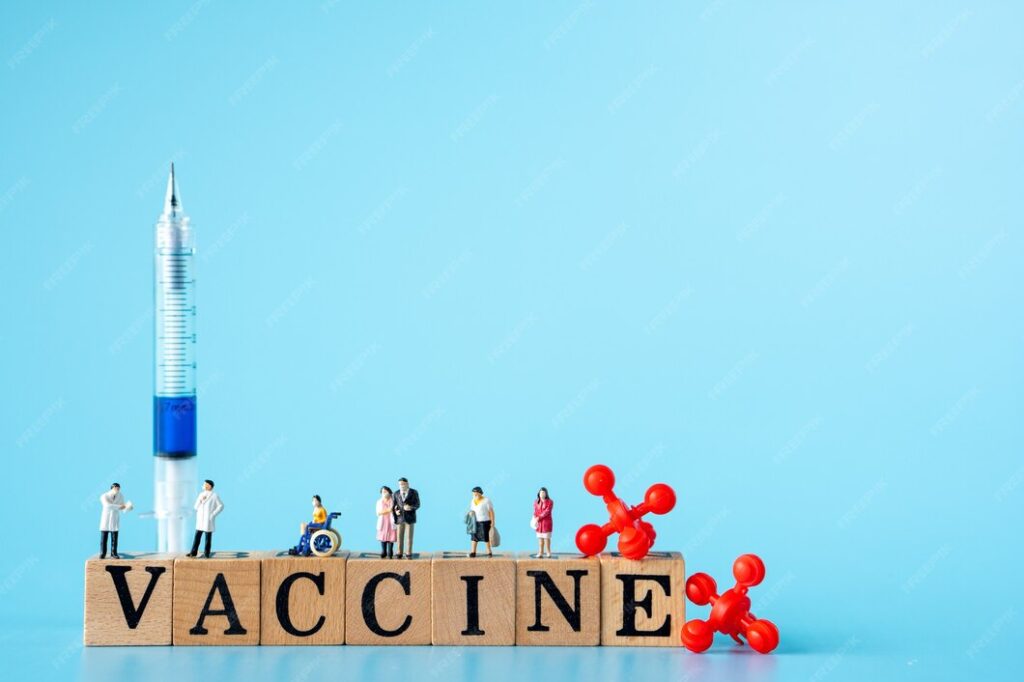
Vaccination is one of the most effective ways to protect you from serious diseases. Vaccines help your body build immunity against harmful viruses and bacteria, reducing the risk of infections and complications. While many people think vaccines are only for children, the truth is that vaccination is very important at every stage of life.
How do vaccines work?
Vaccines work by training the immune system to recognise and fight specific germs. They contain weakened or inactive parts of the virus or bacteria. When the vaccine is given, your immune system learns to defend the body against the disease.
Importance of vaccination in children
Vaccination is really important during childhood because young children have developing immune systems. Vaccines protect them from dangerous diseases like measles, polio, or whooping cough. Following the recommended vaccination schedule ensures that your kids receive protection at the right time.
Vaccination for older adults
As you age, the immune system may weaken, making older adults more vulnerable to infections. Vaccines can help reduce the risk of serious illness and complications. Older adults can benefit from vaccines that protect against conditions like flu, pneumonia, and shingles. These vaccinations can help you maintain health and reduce hospitalisation.
Vaccination for teenagers and adults
Vaccinations are not just for babies and young kids. As a teenager or an adult, you need certain vaccines to stay protected. Some vaccines even require booster doses to maintain immunity over time.
Timely vaccination is an important part of preventive healthcare at every age. Vaccines help protect you from serious diseases, reduce the spread of infections, and support overall public health. By staying informed and following recommended vaccination schedules, you can help protect yourself and your communities, contributing to a healthier, safer society.