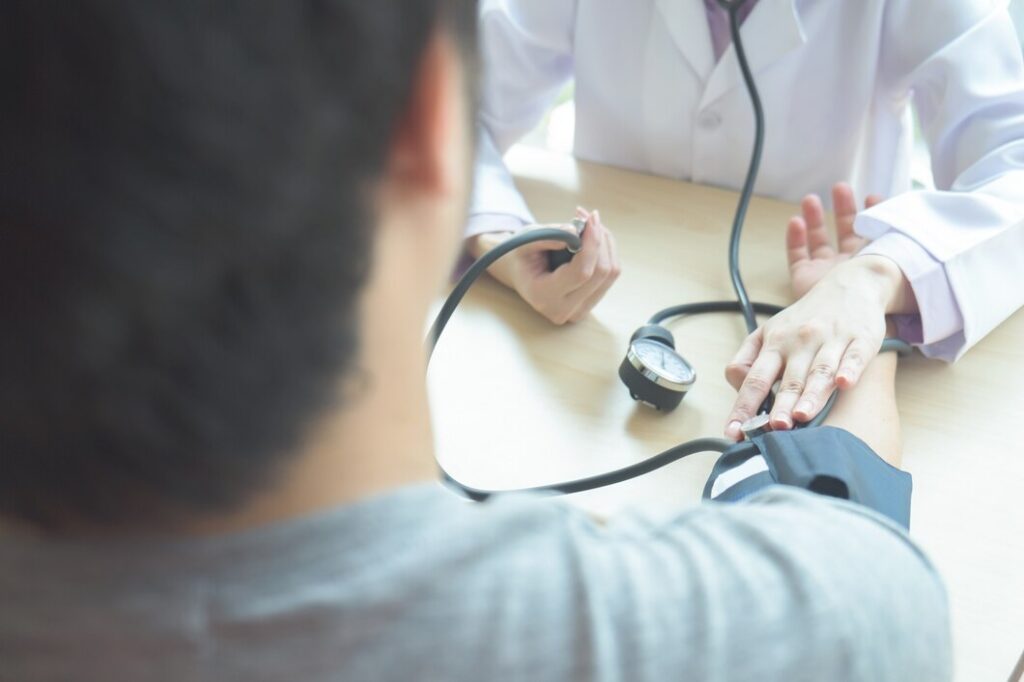
Hypertension, also known as high blood pressure, is a common condition in which the force of blood pushing against the walls of your arteries is constantly very high. Your arteries carry blood from the heart to the rest of your body, and when the pressure is too high, it can slowly damage the blood vessels. With time, this increases the risk of serious health problems like heart disease and kidney issues. Blood pressure is measured as 2 numbers: systolic and diastolic. You might live with high blood pressure even without realising it, which is why regular health checkups are so important.
Symptoms
High blood pressure often does not cause clear symptoms, which is why it is sometimes called a silent condition. You might feel completely normal even when your blood pressure is very high. In some cases, very high blood pressure can cause headaches, dizziness, or shortness of breath, but these symptoms usually appear only when levels are very high.
Causes
High blood pressure can develop gradually over time. In many cases, there is not a single clear Causeway. But some factors can increase the risk, such as unhealthy eating habits, excessive salt intake, lack of exercise, or smoking. Some medical conditions or medications can also contribute to high blood pressure.
Treatment
Treating high blood pressure usually involves improving your daily habits along with medical care when needed. Doctors often suggest eating healthier foods,
reducing salt intake, and staying physically active. Managing stress and getting enough sleep can also help you keep your blood pressure under control. If lifestyle changes alone are not enough, medications might be prescribed. It is very important for you to follow the doctor's advice and monitor your blood pressure regularly. With proper care and consistent healthy habits, you can successfully
manage hypertension and live a healthy life.