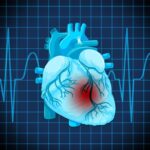
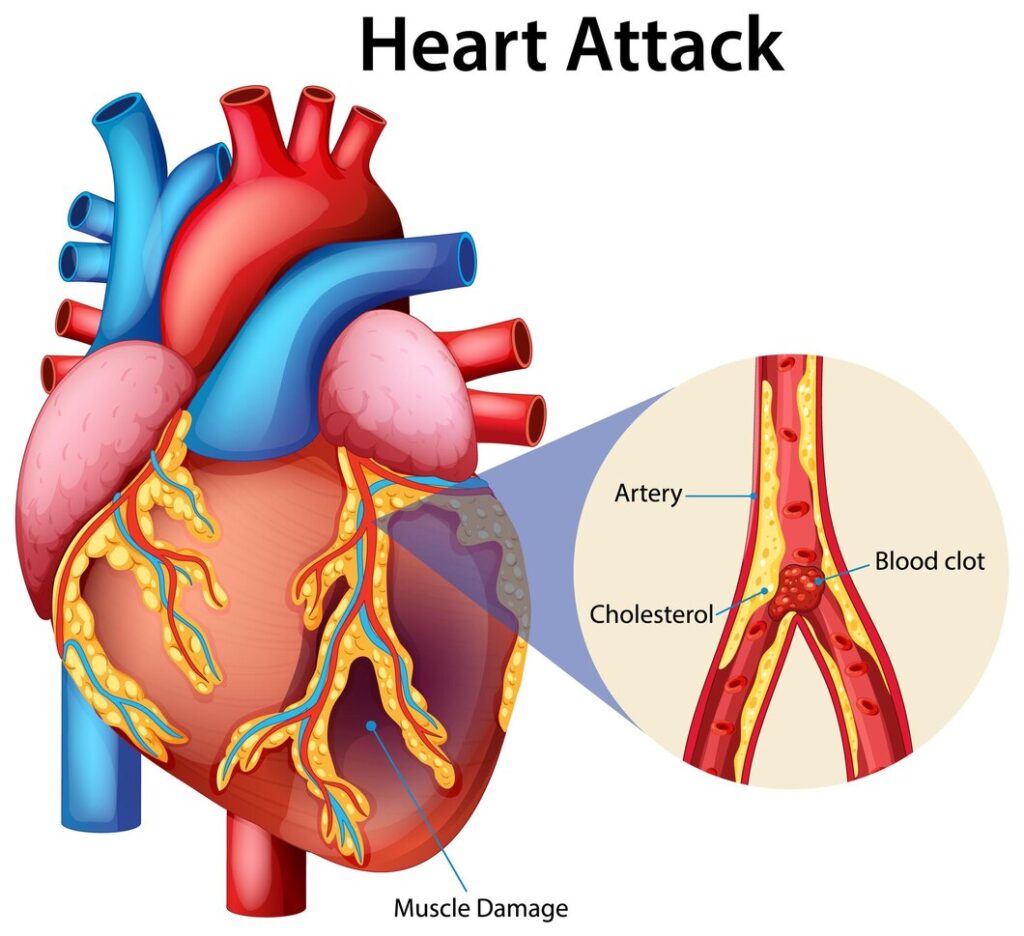
A heart attack is also known as a myocardial infarction. It happens when the blood flow to a part of your heart muscle is suddenly blocked. Your heart needs a constant supply of oxygen-rich blood to function properly. When there's blood flow is reduced or stopped the heart muscle can become damaged. The blockage basically occurs because of a buildup of fatty deposits, cholesterol, and other
substances in the coronary arteries. If a blood clot forms at the site of this buildup, it can completely block the artery and even trigger a heart attack. Quick medical treatment is very important for you to restore blood flow and reduce damage to your heart.
Symptoms
Common symptoms of a heart attack include chest pain or pressure that feels like tightness or squeezing. The pain might spread to the arms, back, or stomach. Other signs include shortness of breath, nausea, sweating, dizziness, or unusual fatigue. Some people might experience mild symptoms, especially women and older adults.
Causes
A heart attack usually occurs when one or more coronary arteries become blocked. This often happens due to a buildup of fatty deposits called plaque inside artery walls. Over time, the plaque can rupture and form a blood clot, blocking blood flow to your heart muscles and causing a heart attack.
Diagnosis
Doctors diagnose a heart attack based on symptoms, medical history, and several tests. An electrocardiogram is commonly used to check your heart's electrical activity. A blood test can even detect certain proteins released when your heart muscle is damaged. Additional tests, such as echocardiograms or coronary angiography, may be used to evaluate blood flow in your heart.
Treatment
Treatment for a heart attack focuses on restoring blood flow to your heart as soon as possible. Emergency medical care is important. Doctors might give medications to dissolve blood clots and reduce pain. Procedures like coronary angioplasty with stent placement can open blocked arteries and improve blood flow. After recovery, lifestyle changes such as eating a heart-healthy diet and exercising regularly are very important for reducing the risk of another heart attack and supporting long-term heart health.