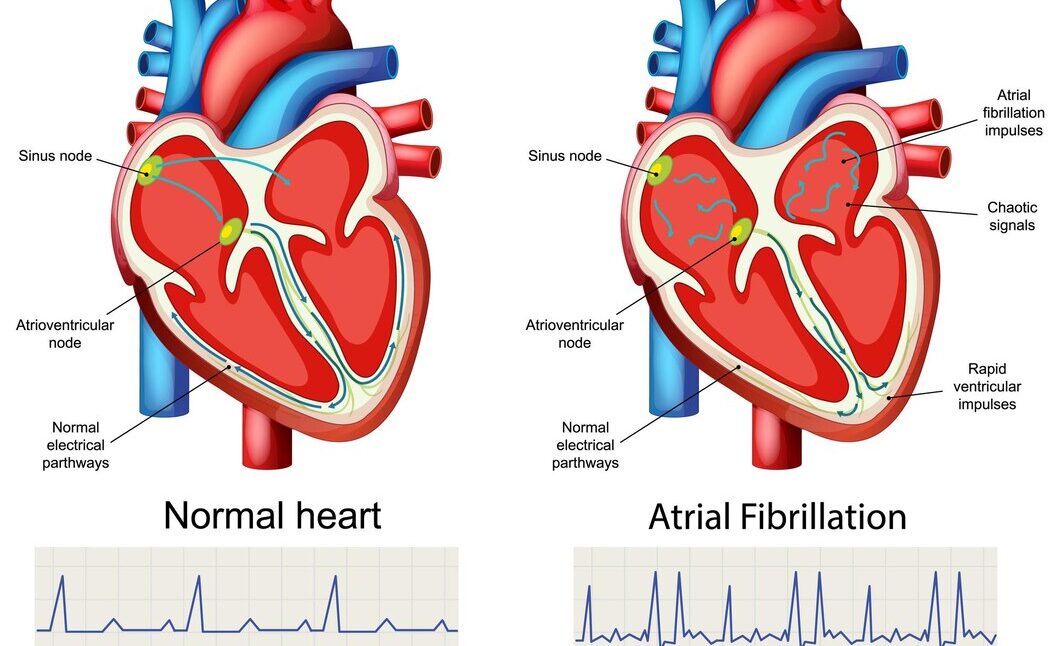
Atrial fibrillation is a common type of heart rhythm disorder. In this condition, the upper chambers of your heart beat irregularly and sometimes very quickly. Instead of a steady rhythm, your heart might beat chaotically or unevenly. This can make it challenging for your heart to pump blood effectively to…
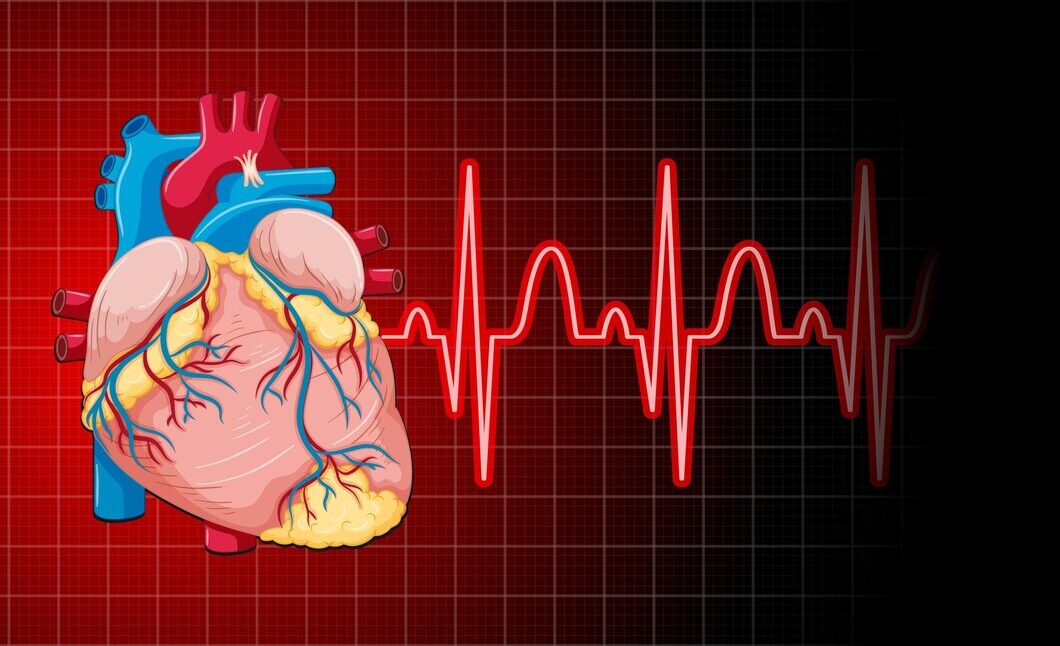
Cardiac arrhythmias are conditions in which the heart beats irregularly. The heart might be too fast, too slow, or in an uneven pattern. Normally, the heart has a steady rhythm controlled by electrical signals that coordinate each heartbeat. When these signals fail, your heart rhythm can become abnormal. Some arrhythmias…
Heart failure is a long-term condition in which your heart cannot pump blood as effectively as it should. This does not mean your heart has stopped working; rather, it means it is weaker and unable to supply enough oxygen-rich blood to meet your body's needs. When your heart's pumping ability…
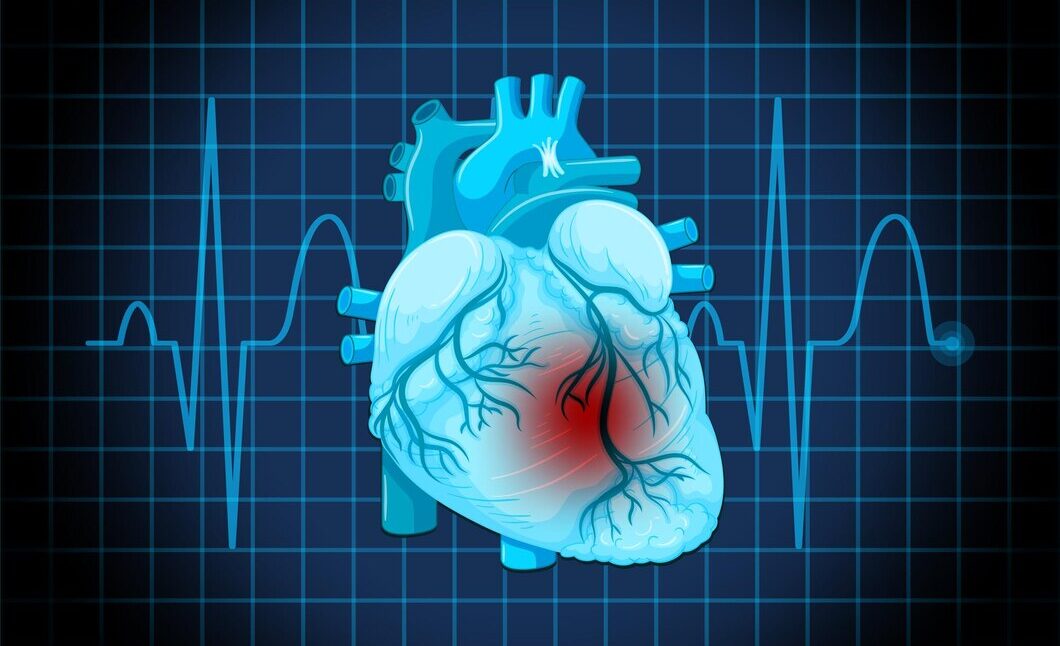
A heart attack is also known as a myocardial infarction. It happens when the blood flow to a part of your heart muscle is suddenly blocked. Your heart needs a constant supply of oxygen-rich blood to function properly. When there's blood flow is reduced or stopped the heart muscle can…
Hypertension, also known as high blood pressure, is a common condition in which the force of blood pushing against the walls of your arteries is constantly very high. Your arteries carry blood from the heart to the rest of your body, and when the pressure is too high, it can…
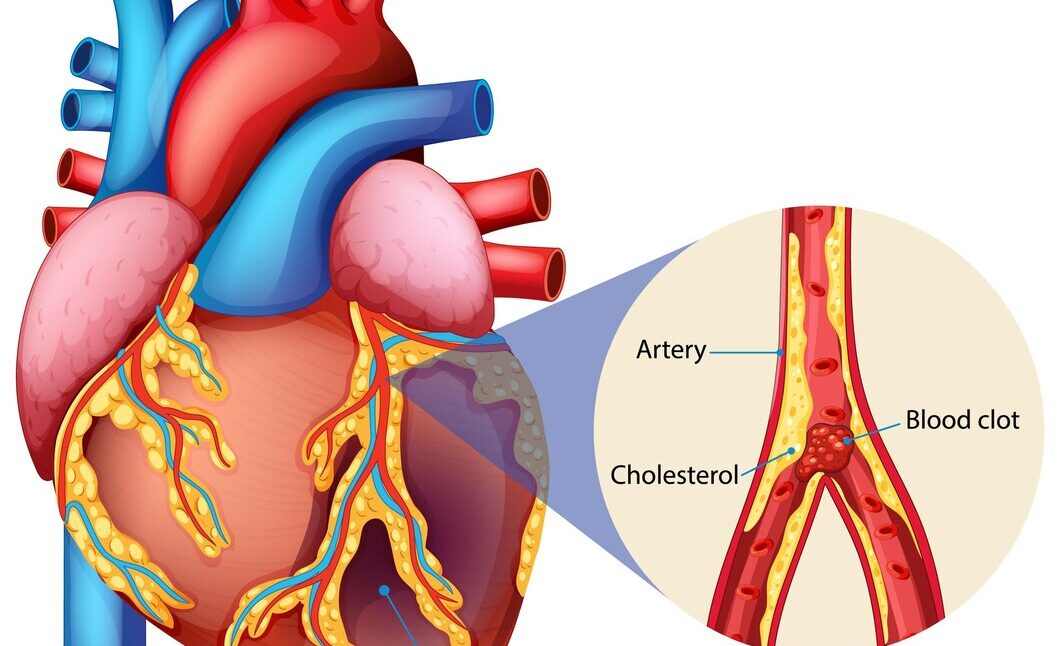
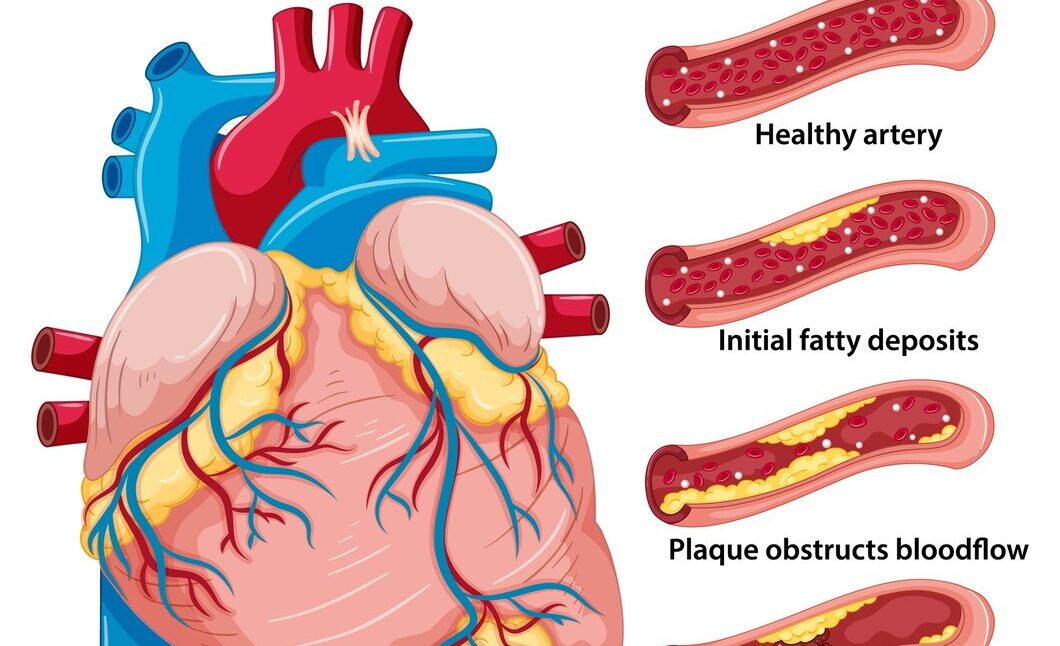
Coronary artery disease is a common heart condition that occurs when the coronary arteries become narrowed or blocked. These arteries supply oxygen-rich blood to your heart muscles. Coronary heart disease develops when cholesterol deposits and other substances build up inside an artery. If the blockage becomes severe, it can lead…