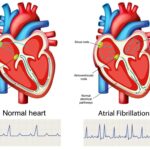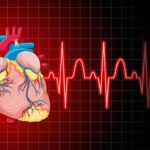
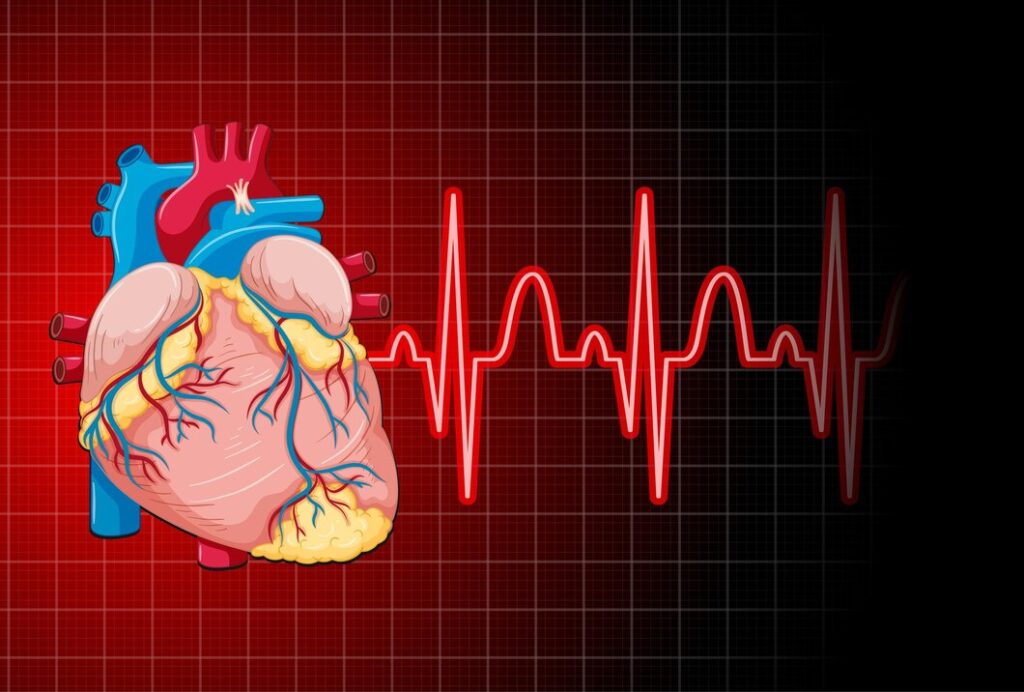
Cardiac arrhythmias are conditions in which the heart beats irregularly. The heart might be too fast, too slow, or in an uneven pattern. Normally, the heart has a steady rhythm controlled by electrical signals that coordinate each heartbeat. When these signals fail, your heart rhythm can become abnormal. Some arrhythmias are harmless, while others can affect how well your heart pumps blood to your body. Arrhythmias can occur occasionally or persistently.
Symptoms
Symptoms of cardiac arrhythmias can vary depending on the type and severity. You might feel heart palpitations, which feel like fluttering or racing in your chest. Others might experience dizziness, fatigue, or chest discomfort. In some cases, arrhythmias may cause fainting or no symptoms at all.
Causes
Arrhythmias can develop when your heart's electrical signals are disrupted. This might happen due to heart disease or high blood pressure. Other factors like stress, excessive caffeine, certain medications, and smoking can also impact your heart rhythm and trigger arrhythmias.
Diagnosis
Doctors diagnose cardiac arrhythmias by reviewing symptoms and examining the heart's rhythm. An electrocardiogram is commonly used to record your heart's electrical activity. Additional tests, such as stress tests or Holter monitoring, may be recommended to monitor heart rhythm over time.
Treatment
Treatment for cardiac arrhythmia depends on the type and the severity of the condition. Mild cases don’t require treatment; only regular monitoring is needed. Doctors might even recommend lifestyle changes, such as reducing caffeine intake, managing stress, and maintaining a healthy diet. Medications might be prescribed to control heart rate rhythm or prevent complications. For certain arrhythmias, medical procedures such as cardioversion may be used to restore a normal heartbeat. In more serious cases, doctors might recommend devices like pacemakers or implantable defibrillators to help regulate your heart's rhythm and maintain stable heart function.