
Heart disease remains one of the leading causes of illness and death worldwide. Although factors such as age, family history, and genetics cannot be changed, adopting healthy eating habits can significantly lower the risk of developing cardiovascular disease. A nutritious diet supports healthy blood pressure, cholesterol levels, blood sugar, and body weight while helping your heart and blood vessels function efficiently. Combined with regular physical activity and routine health check-ups, healthy food choices form the foundation of long-term cardiovascular wellness.
Why Nutrition Matters for Your Heart
Every meal influences your cardiovascular health. Diets rich in saturated fats, trans fats, added sugar, and excess sodium can increase the likelihood of conditions such as hypertension, obesity, diabetes, and high cholesterol, all of which place additional strain on the heart. In contrast, meals prepared with fresh, wholesome ingredients provide essential nutrients that help maintain healthy blood vessels, improve circulation, and support overall heart function.
Healthy eating does not require drastic restrictions. Consistently making balanced food choices is often more effective than following short-term diets.
Fill Your Plate with Fruits and Vegetables
Fruits and vegetables are excellent sources of vitamins, minerals, antioxidants, and dietary fiber. These nutrients help protect blood vessels from damage and support normal cardiovascular function. Aim to include a variety of fruits and vegetables every day, as different colors provide different beneficial nutrients.
Choose Whole Grains Instead of Refined Grains
Whole grains such as oats, brown rice, whole wheat, barley, and millets retain their natural fiber and nutrients. They help improve cholesterol levels, support digestive health, and keep you feeling full for longer. Replacing refined grains with whole-grain alternatives is a practical dietary change that benefits both cardiovascular and metabolic health.
Include High-Quality Protein Sources
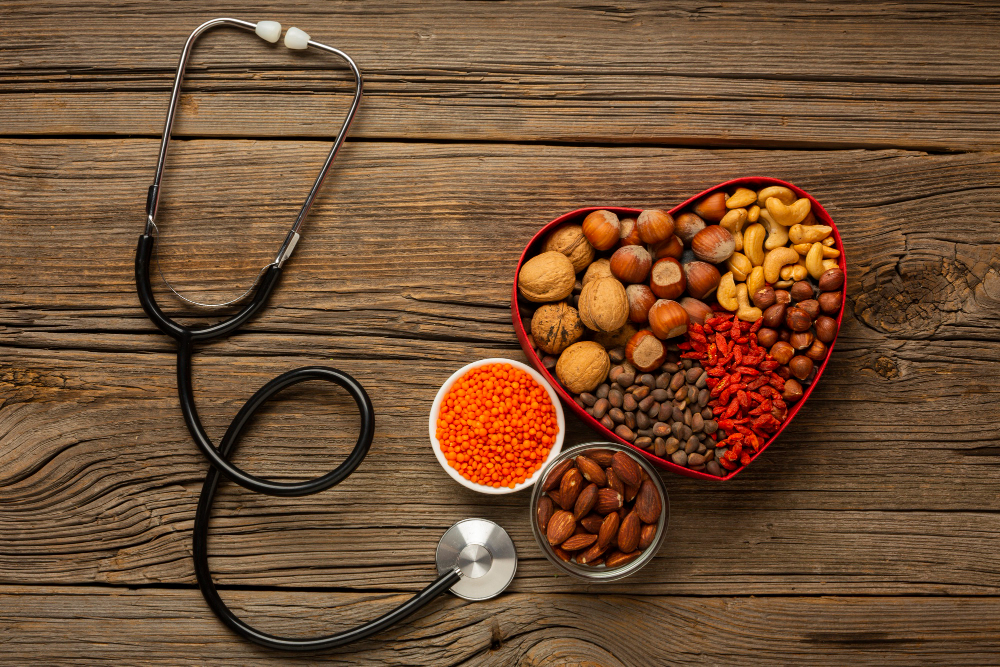
Protein is an important part of a balanced diet. Choose a variety of nutritious protein sources, including:
- Lentils and beans
- Chickpeas
- Soy products
- Fish
- Skinless poultry
- Nuts and seeds
At the same time, limit processed meats and foods high in saturated fat, which have been linked to an increased risk of cardiovascular disease.
Choose Healthier Fats
Fat is an essential nutrient, but the type of fat you consume matters. Unsaturated fats found in olive oil, nuts, seeds, avocados, and fatty fish can help maintain healthy cholesterol levels. Reducing foods that contain trans fats and excessive saturated fat, such as fried foods, butter, and commercially baked products, supports better cardiovascular health.
Reduce Sodium and Added Sugar
High sodium intake is associated with elevated blood pressure, while excessive added sugar may contribute to weight gain and diabetes. Both increase the risk of cardiovascular disease.
Simple ways to improve your diet include:
- Flavor foods with herbs, spices, garlic, or lemon instead of extra salt.
- Read nutrition labels and choose products with lower sodium.
- Limit sugary drinks, packaged snacks, and ready-to-eat meals.
- Prepare home-cooked meals more often whenever possible.
Pay Attention to Portion Sizes
Even nutritious foods should be consumed in appropriate portions. Eating slowly, recognizing hunger and fullness cues, and serving balanced portions can help prevent overeating and support healthy weight management. These mindful eating habits are beneficial for long-term cardiovascular health.
Stay Well Hydrated
Water is the healthiest beverage for most people. Replacing sugar-sweetened drinks with water helps reduce unnecessary calorie intake while supporting normal body functions and overall well-being.
Support Your Diet with Healthy Lifestyle Habits
Good nutrition works best alongside other healthy lifestyle practices. Consider the following habits:
- Stay physically active on most days of the week.
- Avoid smoking and exposure to tobacco smoke.
- Limit alcohol intake.
- Manage stress through relaxation techniques or enjoyable activities.
- Aim for seven to nine hours of quality sleep each night.
- Schedule regular preventive health check-ups to monitor cardiovascular risk factors.
When to Seek Medical Advice
People with high blood pressure, diabetes, high cholesterol, obesity, an existing heart condition, or a family history of cardiovascular disease should seek personalized dietary advice from a healthcare provider or registered dietitian. Individualized nutrition plans can help address specific health needs and support better long-term outcomes.
Take the First Step Towards Better Heart Health
Protecting your heart begins with the choices you make every day. Eating a balanced diet rich in whole foods, staying physically active, and addressing risk factors early can significantly improve cardiovascular health. Small, sustainable lifestyle changes, maintained consistently over time, can help reduce the risk of heart disease and support a healthier future.