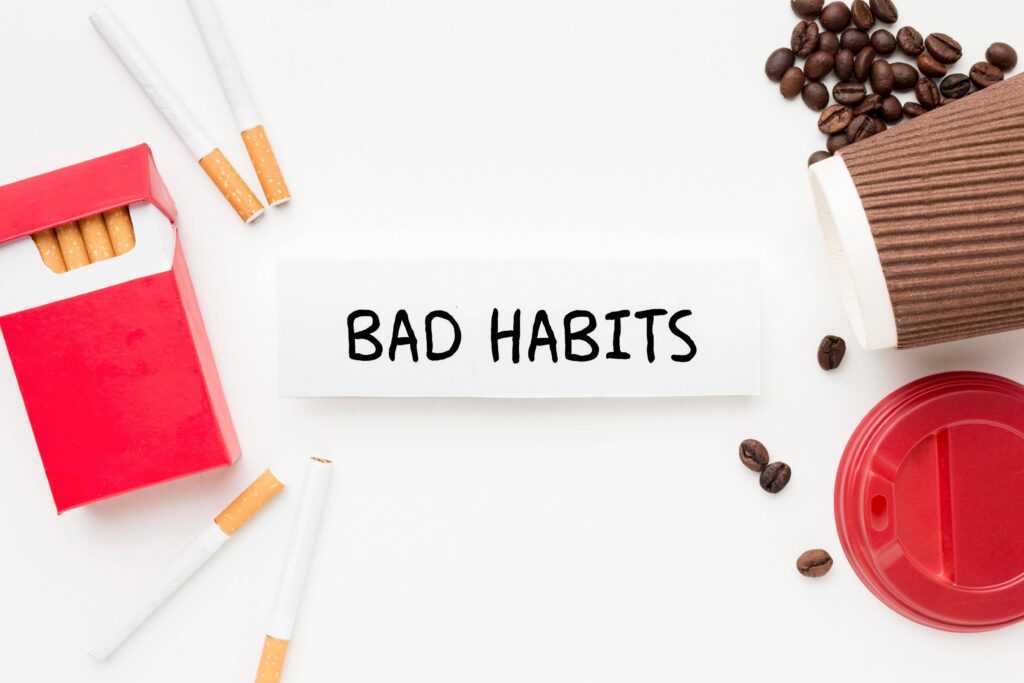
Whether you have recently quit smoking or are actively in the process of cutting back, supporting your body’s recovery from the toxic effects of cigarette smoke is essential for rebuilding your health. The good news is that with the right strategies, your body has a remarkable capacity to heal itself over time. Here are the most effective and evidence-backed ways to accelerate that recovery.
1. Hydrate Consistently and Generously
Water is your body’s most fundamental detox tool. It helps flush toxins through the kidneys, keeps the mucous membranes in your lungs moist to help clear out accumulated tar and debris, and supports every cellular function involved in recovery. Aim for at least 8 to 10 glasses of water daily. Starting your morning with a glass of warm water and fresh lemon juice is particularly beneficial for stimulating liver function and digestion.
2. Eat Antioxidant-Rich Foods
Cigarette smoke generates enormous quantities of free radicals that damage cells, accelerate aging, and impair organ function. Antioxidants neutralise these harmful molecules and actively support tissue repair throughout the body. Prioritise these foods in your daily diet:
- Berries, citrus fruits, and kiwi, which are rich in Vitamin C and bioflavonoids
- Dark leafy greens such as spinach, kale, and broccoli, packed with Vitamin E and beta-carotene
- Turmeric and ginger, which contain powerful natural anti-inflammatory compounds
- Unsweetened green tea, which provides EGCG, one of the most potent natural antioxidants
- A small handful of nuts and seeds daily for their Vitamin E and selenium content
3. Rebuild Lung Health with Breathing Exercises
Deep breathing exercises, including pranayama techniques such as anulom vilom and bhastrika, help expel stale air and residual toxins from the deepest parts of the lungs. Practising diaphragmatic breathing for 10 to 15 minutes daily improves lung capacity, strengthens respiratory muscles, and increases oxygen delivery throughout the body. Combining this with regular aerobic exercise, even a daily 30-minute brisk walk, further accelerates lung recovery.
4. Support Your Liver Through Recovery
The liver works continuously to process and eliminate the toxic compounds absorbed through smoke. Supporting liver recovery is a critical but often overlooked part of detoxing from cigarettes. Focus on:
- Milk thistle supplements, which contain silymarin, a compound clinically shown to protect and support regeneration of liver cells
- Dandelion root tea or capsules, which act as a natural liver tonic and gentle diuretic
- Completely avoiding alcohol and minimising consumption of processed, fried, or high-sugar foods that add further burden to a recovering liver
- Incorporating cruciferous vegetables like cauliflower, cabbage, and brussels sprouts, which support the liver’s natural detox enzyme pathways
5. Use Ayurvedic Herbal Remedies
India’s Ayurvedic tradition offers time-tested herbal allies specifically beneficial for respiratory and systemic recovery after smoking:
- Tulsi (Holy Basil): Acts as a natural bronchodilator, helps clear the airways, reduces lung inflammation, and supports immune recovery.
- Mulethi (Licorice Root): Soothes the throat and bronchial tubes, loosens mucus, and helps relieve the persistent cough common after quitting smoking.
- Vasaka (Adhatoda): A well-respected herb in traditional medicine for respiratory detox, reducing chronic cough, and clearing accumulated phlegm from the airways.
- Triphala: A gentle but highly effective systemic detoxifier that supports digestion, liver function, and the elimination of accumulated toxins.
6. Prioritise Rest and Manage Stress
Deep, restorative sleep is the primary window during which cellular repair, immune rebuilding, and tissue regeneration occur. Aim for 7 to 9 hours of good-quality sleep every night and establish a consistent sleep schedule. Managing stress is equally important, as elevated cortisol from chronic stress actively slows down the body’s recovery and immune response. Meditation, yoga, spending time in nature, journalling, or even gentle social connection all meaningfully support the healing process.
7. Get Medically Evaluated
A comprehensive health check-up including lung function tests such as spirometry, liver function tests, and a complete blood count gives you a clear and measurable picture of your current health status after smoking. Knowing your baseline allows you to track your recovery progress over time. Healthcare professionals can also provide personalised support through smoking cessation programmes, nutritional counselling, pulmonary rehabilitation, and mental health assistance.
Detoxing from cigarettes is not a single event but a gradual, ongoing process of healing. Every day without a cigarette is a day your body grows measurably stronger, cleaner, and healthier. Be patient with yourself, stay consistent with these strategies, and trust in your body’s extraordinary capacity to recover.